
Licensed in all 50 States · 20+ Years Manufacturing Expertise · Certified Specialists
Employment Practices Liability vs. Workers Compensation
Understanding the Two Essential Insurance Policies Every Manufacturing Business Needs
Manufacturing businesses face two distinct categories of employee-related risks. Each requires separate insurance protection. Employment Practices Liability Insurance (EPLI) protects your business against discrimination lawsuits, wrongful termination claims, and harassment allegations. Workers Compensation Insurance covers workplace injuries, occupational illnesses, and job-related accidents.
Different risks. Different coverages. Different legal frameworks that protect different aspects of your operation.
Most manufacturers need both insurance policies to protect against the full spectrum of employment-related exposures. At Manufacturing Insurance Group, our team brings over 20 years of manufacturing insurance experience. We help businesses understand exactly which coverages protect their operations. We ensure your employees have proper protection. We safeguard your financial stability against unexpected claims.
Our manufacturing insurance specialists help you understand which coverage protects your specific risks.
What Does Employment Practices Liability Insurance Cover for Manufacturers?
Employment Practices Liability Insurance provides financial protection when employees file lawsuits alleging violations of their employment rights. Former employees can sue. Job applicants can sue. This coverage is essential for protecting manufacturers from costly legal defense expenses and potential settlements that could devastate your business finances.
Core EPLI Coverage Areas
EPLI insurance protects manufacturers against claims involving workplace discrimination, harassment, and unfair employment practices. Your policy covers legal defense costs. It covers court expenses. It covers settlements and judgments when employees allege: -Workplace Discrimination based on age, race, gender, disability, religion, or other protected characteristics -Sexual Harassment or creation of a hostile work environment -Wrongful Termination or retaliatory discharge following safety complaints -Failure to Promote or discriminatory hiring practices -Wage and Hour Violations related to employment decisions and compensation
Rising Employment Claims Statistics
The numbers tell a troubling story. The EEOC filed 143 new employment discrimination lawsuits in 2023. That’s a 50% increase over 2022. For manufacturing operations, employment practices claims often arise during workforce reductions. They emerge during shift schedule changes. They appear during safety enforcement actions and policy implementation. The average company now faces a 10.5% probability of having an employment-related claim filed against them. That’s higher than you think. That’s more common than most manufacturers realize.
How EPLI Works for Manufacturing Operations
EPLI operates on a fault-based system. Employees must demonstrate your company violated their employment rights. Your insurance policy provides coverage for defense attorney fees, court costs, expert witness expenses, settlements, and judgments up to your selected policy limits. Manufacturing-specific EPLI exposures include claims related to production quota enforcement, shift scheduling decisions, and safety policy enforcement. Terminations following workplace incidents create risk. Layoffs due to market conditions create exposure. These are the realities of running a manufacturing operation in today’s legal environment. Manufacturing Industry Insight: EPLI claims in manufacturing often stem from workforce reductions and safety-related terminations. Having proper coverage protects your business. It shields your assets. It ensures you can defend against allegations that employment decisions were discriminatory rather than performance-based.
What Does Workers Compensation Insurance Cover for Manufacturers?
Workers Compensation Insurance provides medical benefits and wage replacement for employees who suffer job-related injuries or occupational illnesses. Fault doesn’t matter. Negligence doesn’t matter. This no-fault insurance system is legally required in 49 states, and for good reason.
Comprehensive Workers Comp Benefits
Workers Compensation automatically covers injured employees. No questions asked. Benefits include:
-Medical Expenses covering doctor visits, emergency room treatment, hospital stays, surgery, prescription medication, and ongoing medical care
-Lost Wage Replacement typically paying 60-70% of regular salary during recovery periods
-Rehabilitation Costs including physical therapy, occupational therapy, and vocational retraining
-Disability Benefits for temporary disabilities and permanent disabilities affecting earning capacity
-Death Benefits providing financial support to families following workplace fatalities
Manufacturing Workplace Injury Statistics
The statistics are sobering. Approximately 3 million workplace injuries were reported across U.S. industries in 2022. The manufacturing sector alone accounted for 355,800 injuries and illnesses in 2023. Manufacturing facilities face elevated injury risks from heavy machinery operation. Repetitive motion tasks cause injuries. Chemical exposure creates health hazards. Material handling leads to back injuries and strains.
Here’s something remarkable: 35% of workplace injuries occur during a worker’s first year on the job. New employees are vulnerable. Training takes time. Experience matters when operating dangerous equipment.
The average manufacturing workplace injury results in 67 days of missed work. That’s over two months. That’s significant lost productivity and substantial wage replacement costs.
No-Fault Insurance System Protection
Workers Compensation operates as a no-fault insurance system. Injured employees receive medical treatment. They receive wage replacement benefits. They don’t need to prove employer negligence. In exchange, employees generally cannot file personal injury lawsuits against their employer for covered workplace injuries.
This creates a fair system. Employees get immediate benefits. Employers get lawsuit protection. Everyone benefits from this arrangement.
Most states legally mandate that manufacturers carry Workers Compensation Insurance for all employees. Texas is the only state where this coverage is optional. That’s it. Just Texas.
Compliance Alert:
Workers Compensation is legally required in 49 states. Failing to maintain required coverage can result in substantial fines. Stop-work orders can shut down your operation. Personal liability for all injury costs could bankrupt your business. Ensure your manufacturing operation maintains continuous coverage without any gaps.
Key Differences Between EPLI and Workers Compensation Insurance
Understanding how these policies differ helps manufacturers structure complete protection. Let’s break down the distinctions.
Type of Claims Covered
EPLI covers non-physical employment claims. Think discrimination. Think harassment. Think wrongful termination and retaliation. Workers Compensation covers physical workplace injuries, occupational illnesses, and job-related accidents requiring medical treatment. One protects against lawsuits. The other protects against injuries.
Fault Requirements and Legal Framework
EPLI requires employees to prove employer wrongdoing through a fault-based legal system. You get sued. You defend yourself. You might lose if evidence shows discrimination occurred. Workers Compensation provides benefits through a no-fault system regardless of who caused the workplace injury. Employee gets hurt. Employee gets benefits. Simple as that.
Mandatory vs Optional Coverage
Workers Compensation is legally mandated in 49 states for businesses with employees. It’s not optional. It’s not negotiable. It’s the law. EPLI is optional insurance that manufacturers purchase voluntarily to protect against employment practices litigation risk. Smart manufacturers buy it. Cautious manufacturers need it. Forward-thinking manufacturers prioritize it.
Benefits and Financial Protection
EPLI pays for legal defense expenses. It covers attorney fees. It covers settlements and court judgments. Workers Compensation pays for medical bills, rehabilitation services, lost wages, and disability benefits. Different money. Different purposes. Different protection for different risks.
Who Can File Claims
EPLI claims can be filed by current employees, former employees, or job applicants alleging employment rights violations. Workers Compensation claims can only be filed by current employees who suffer job-related injuries or occupational illnesses. The scope is narrower. The requirements are stricter. The benefits are more predictable. Real-World Manufacturing Scenario A production line employee operates a press brake and suffers a hand injury requiring surgery. They file a Workers Compensation claim for medical treatment and lost wages. Clear case. Straightforward claim. Benefits get paid. But then something changes. That same employee claims you terminated them after reporting safety violations to OSHA. Now they file an EPLI claim for retaliatory discharge. Two separate claims. Two different insurance policies. Both coverages absolutely necessary to protect your business.
Why Manufacturing Businesses Need Both Insurance Policies
Workers Compensation doesn’t protect against employment discrimination lawsuits. EPLI doesn’t cover workplace injuries and medical expenses. Simple truth: Manufacturers face both risks simultaneously. You need both coverages. There’s no way around it.
Comprehensive Risk Management Strategy
Consider this scenario. You terminate a production supervisor for missing safety compliance targets. The supervisor files a Workers Compensation claim alleging work-related stress caused their medical condition. Then they sue. They file an EPLI lawsuit claiming age discrimination. They argue younger supervisors weren’t held to identical performance standards.
Without EPLI coverage, you would pay legal defense costs out of pocket. Those costs add up fast. Attorney fees run $300 per hour or more. Cases drag on for months or years. Without Workers Compensation, you would face medical bills plus potential negligence lawsuits that could destroy your business finances.
The combination protects you completely. One policy handles the injury claim. The other policy handles the discrimination lawsuit. Together, they create a shield around your manufacturing operation.
Manufacturing-Specific Insurance Needs
Manufacturing operations create unique dual exposures requiring both coverage types. Production environments generate inherent injury risks. Machinery causes injuries. Chemicals create hazards. Physical demands lead to strains and repetitive stress injuries. All of these require Workers Compensation protection.
Employment decisions about hiring practices create litigation risk. Shift assignments can be challenged. Performance management decisions get questioned. Disciplinary actions lead to complaints. Terminations trigger lawsuits. All of these require EPLI coverage to protect your business.
Specialized Manufacturing Insurance Solutions
Manufacturing Insurance Group structures both EPLI and Workers Compensation policies specifically for manufacturing industry risks. We understand the unique challenges your operations face. We’ve seen what can go wrong. We know how to protect against it. Our specialized approach ensures you have complete protection without coverage gaps or unnecessary policy overlap.
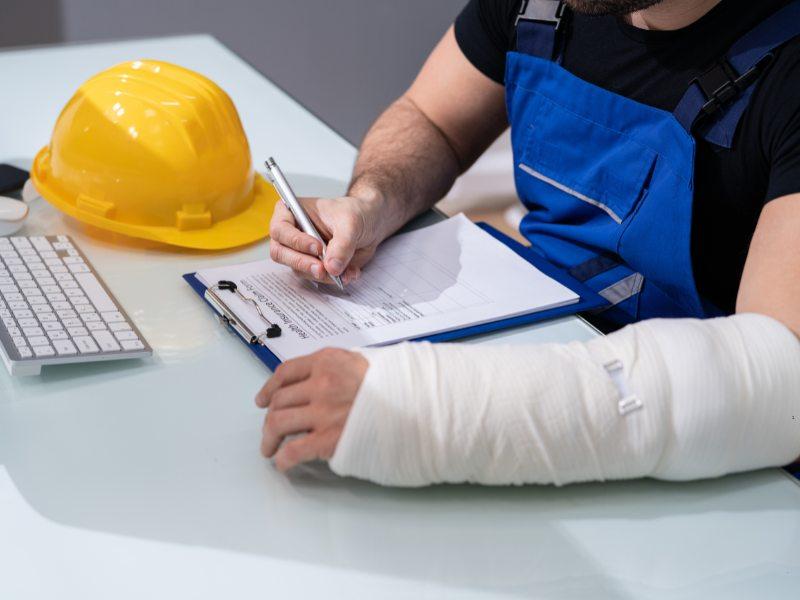
Protect Your Manufacturing Business With Complete Insurance Coverage
Workers Compensation and Employment Practices Liability Insurance together provide comprehensive protection. They cover all employee-related risks. They shield your manufacturing operation from financial devastation. Don’t leave your business exposed to costly claims and litigation that could bankrupt everything you’ve built.
Manufacturing Insurance Group specializes in manufacturing coverage with over 20 years of industry experience. We understand your risks. We know your challenges. We structure protection that actually works when you need it most. Get a comprehensive insurance quote today that addresses both your workplace injury exposure and employment practices litigation risks.
Contact us now at (234) 231-9943 for a coverage review tailored specifically to your manufacturing operation. We’ll identify gaps. We’ll recommend solutions. We’ll ensure you have the protection your business deserves.
Frequently Asked Questions About EPLI and Workers Compensation
What is the main difference between EPLI and Workers Compensation Insurance?
Workers Compensation Insurance covers physical workplace injuries and occupational illnesses. It provides medical treatment. It replaces lost wages. Benefits get paid regardless of fault. EPLI covers non-physical employment claims. These include workplace discrimination, sexual harassment, wrongful termination, and retaliation claims. Employees must allege employer wrongdoing through a fault-based legal system. Manufacturers need Workers Compensation for production floor injuries from machinery, chemical exposure, and material handling. They need EPLI for employment decisions involving hiring, termination, promotion, and workplace policies. Different insurance. Different protection. Different purposes serving different business needs.
Do manufacturing businesses need both EPLI and Workers Compensation coverage?
Yes. Absolutely. Without question. Manufacturing operations face both types of employment-related risks simultaneously. Workers Compensation doesn’t protect your business against discrimination lawsuits. It won’t cover harassment claims. It can’t defend wrongful termination allegations. EPLI doesn’t cover workplace injuries, medical expenses, or occupational illnesses. Here’s a real example: A manufacturing employee could file a Workers Compensation claim for a repetitive stress injury from assembly line work. That same employee could simultaneously file an EPLI claim alleging age discrimination in termination decisions. Both insurance policies protect different exposures. Both are essential. Both work together to safeguard your manufacturing business from financial devastation.
Is Workers Compensation Insurance required by law for manufacturers?
Workers Compensation Insurance is legally mandated in 49 states for businesses with employees. Texas is the only state where this coverage remains optional. That’s it. Just Texas. Everywhere else, it’s the law. Most states require manufacturers to carry Workers Compensation coverage immediately upon hiring their first employee. Not the tenth employee. Not after you reach certain revenue thresholds. The first employee triggers the requirement. Penalties for non-compliance include substantial fines that can reach thousands of dollars. Stop-work orders shut down operations immediately. Criminal charges can be filed against business owners. Personal liability for all workplace injury costs means you pay out of pocket. Manufacturing operations face particularly strict enforcement due to elevated workplace injury risks from machinery, chemicals, and industrial processes.
What manufacturing-specific risks does EPLI Insurance cover?
EPLI protects manufacturers against employment practices claims arising from production quota disputes. Employees challenge demanding production targets. Shift scheduling decisions trigger complaints about fairness. Safety enforcement terminations lead to retaliation allegations. Workforce reductions create discrimination claims. Layoffs based on market conditions get challenged as age discrimination or targeting protected classes. Common manufacturing EPLI claims include discrimination allegations during layoffs. Harassment complaints between production workers on the floor. Retaliation claims after safety violation reports to OSHA. Wrongful termination following workplace incidents or injuries. These claims are expensive. They’re time-consuming. They’re devastating to defend without proper insurance coverage. Legal defense costs alone average $75,000 to $150,000 per employment claim. That’s before any settlement. That’s just to defend yourself in court. Manufacturing Insurance Group provides EPLI coverage specifically designed for manufacturing industry employment practices exposures and litigation risks that are unique to production environments.
Sources
Related Questions
More on Employment Practices Liability
Getting a Quote for Employment Practices Liability
Ready to protect your operations? Get expert guidance and a custom quote today.