
Serving all 50 States | 20+ Years Manufacturing Expertise | Certified Specialists
Protect Your Oregon Manufacturing Operation
Manufacturing Insurance Group provides specialized insurance coverage for Oregon manufacturers — a $7 million industry employing 192,100 workers, backed by 20+ years of industry experience and licensing in all 50 states.
Trusted Carrier Partners
Oregon’s manufacturing sector faces unprecedented challenges.
Jobs vanish. Growth stalls. With 10,400 manufacturing jobs lost in 2024 alone, the state ranks dead last nationally in manufacturing growth. Your production facility needs protection now more than ever.
Whether you operate in food processing, metal fabrication, electronics manufacturing, or wood products, your business confronts unique risks. Generic business insurance can’t address them. It wasn’t designed for manufacturers like you.
Manufacturing Insurance Group brings something different: 20+ years of manufacturing industry experience applied directly to Oregon’s diverse production landscape.
We understand your pressures. Equipment breakdowns cost $260,000 per hour in downtime. Product liability claims average over $7 million. These aren’t just statistics to us, they’re realities we help manufacturers navigate every single day.
Our specialized approach delivers tailored protection across 20+ manufacturing sectors. Your Oregon facility stays operational when challenges arise. That’s our promise.
Oregon Manufacturing Insurance: Comprehensive Coverage for Production Facilities
Oregon manufacturers operate in a unique environment. It’s dynamic. It’s challenging. It’s unforgiving to those without proper protection.
192,100 workers across the state power a manufacturing sector contributing $36.3 billion to Oregon’s GDP. Impressive numbers. But 2024’s employment data reveals something troubling: growing vulnerabilities that demand sophisticated risk management.
The manufacturing sector shed 10,400 jobs throughout 2024. That’s a 4.1% decline. Oregon placed 50th nationally in manufacturing growth—dead last among all states. This volatile landscape amplifies your insurance needs exponentially. Comprehensive protection becomes your financial safety net. It catches you when unexpected losses strike.
Oregon’s manufacturing diversity spans multiple distinct sectors. Technology and electronics manufacturing thrives in the Silicon Forest. 33,800 semiconductor jobs power Oregon’s tech economy. Intel’s 19,300-employee Hillsboro facility anchors this sector. Precision equipment demands precision coverage. High-value inventory creates unique risks. Product defects carry massive liability exposure.
Wood products manufacturing represents Oregon’s industrial heritage. This sector comprises 12% of state manufacturing employment, four times the national average. Sawmills operate. Veneer facilities produce. Engineered wood manufacturers innovate. Heavy machinery creates accidents. Fire risks concentrate where combustible materials gather.
Food and beverage manufacturing continues expanding.
Craft breweries dot the landscape. Wineries produce world-class vintages. Food processing facilities feed the nation. Specialty producers create unique products. But contamination risks lurk everywhere. Product recalls destroy reputations overnight. Regulatory compliance demands never end.
Metal fabrication and machinery manufacturing facilities see constant activity. Welding sparks fly. Cutting torches roar. Heavy equipment moves constantly. Workers’ comp exposure runs high in these facilities. Custom metal work carries product liability concerns. When fabricated components fail in client applications, lawsuits follow.
This sector diversity means one thing:
Cookie-cutter business insurance policies leave dangerous coverage gaps.
Manufacturing Insurance Group tailors protection to your specific sector. Your policy addresses the actual risks your facility confronts daily. Nothing more. Nothing less.
Generic insurance agents treat your manufacturing operation like any other small business. They miss critical risk factors. They overlook production realities. They create coverage gaps that could destroy you.
Our 20+ years of manufacturing industry experience changes everything. We provide insider understanding. We transform how we assess risks. We structure coverage differently. We recognize what insurance generalists overlook because we’ve lived your world.
Manufacturing Insurance Coverage: Essential Policies for Oregon Businesses
Manufacturing insurance isn’t simple. It’s not one policy. It encompasses multiple specialized policies working together, protecting your Oregon facility from diverse threats.
Understanding these coverage types helps you build comprehensive protection—the kind that actually works when disaster strikes.
Our Coverages
Comprehensive Insurance Coverage for Oregon Manufacturers
General Liability Insurance
Third-party bodily injury and property damage protection forms your foundation. When customers visit your facility and sustain injuries, this responds. When your products cause damage at client locations, this covers you. It handles slip-and-fall accidents, equipment-related injuries to visitors, and property damage claims from third parties. Medical payments coverage addresses immediate healthcare costs. Legal defense costs get covered regardless of fault. It’s your baseline protection—essential but never sufficient alone for manufacturing operations.
Commercial Property Insurance
Fire strikes without warning. Theft occurs despite security measures. Vandalism damages facilities. Natural disasters destroy inventory. This protects facilities, manufacturing equipment, raw materials inventory, finished goods, and business personal property. U.S. fire departments respond to 37,000 fires at industrial properties annually. Direct property damage totals $1.2 billion. Your facility could be next. Wind damage, water damage from broken pipes, and equipment damage from power surges all fall under this protection. Temporary repairs and debris removal costs get addressed immediately.
Product Liability Insurance
Manufacturing defects happen despite quality controls. Design flaws emerge after production begins. Products fail in consumer hands. People get hurt. Average manufacturing product liability claims exceed $7 million. One claim can end your business. This coverage prevents that financial disaster. It handles manufacturing defects, design flaws, inadequate warnings, and installation errors. Product recalls trigger additional expenses this policy addresses. It saves businesses from catastrophic losses stemming from defective products entering the marketplace.
Business Interruption Insurance
Revenue stops when production halts. Expenses continue regardless. Payroll comes due. Loans need paying. Industry research reveals 56% of companies experience significant business interruptions annually. Manufacturing downtime costs average $260,000 per hour. This coverage maintains financial stability during recovery periods. It keeps you afloat when production stops. Lost income gets replaced. Continuing expenses receive coverage. Extra expenses to reduce shutdown periods qualify. Dependent property coverage extends protection when suppliers or customers experience covered losses affecting your operations.
Workers Compensation Insurance
Oregon law requires this for virtually all employers. Good news: Oregon ranks 10th nationally with workers’ comp costs approximately 27% below the national average. This competitive advantage helps Oregon manufacturers manage essential coverage affordably. It protects employees from workplace injuries and occupational diseases. It protects you from devastating lawsuits by providing exclusive remedy. Medical expenses get covered. Lost wages receive replacement. Rehabilitation costs are addressed. Permanent disability benefits ensure long-term support when workers can’t return to previous duties.
Supply Chain Insurance
Global trade brings complexity to modern manufacturing. Suppliers fail to deliver critical components. Transportation networks collapse during disruptions. Political events disrupt trade routes unexpectedly. 30% of Oregon manufacturers distribute products internationally. 11% import raw materials from overseas suppliers. Supply chain coverage manages resulting financial losses when your carefully constructed network fractures. Contingent business interruption addresses supplier failures. Transit coverage protects goods in shipment. Accounts receivable insurance covers uncollectible customer debts after disasters. This specialized coverage maintains cash flow during supply disruptions.
Errors and Omissions Insurance
Do you provide design services? Engineering consultation? Technical specifications to customers? Your professional advice carries liability exposure. If your recommendations prove flawed, clients lose money. They sue. E&O coverage handles legal defense costs and settlements. It protects your business assets from professional negligence claims. Design defects in custom products get addressed. Failure to meet performance specifications triggers coverage. Intellectual property infringement allegations receive defense. This professional liability protection proves essential for manufacturers providing engineering services alongside products.
Equipment Breakdown Insurance
Machinery fails unexpectedly. Motors burn out from overuse. Electrical systems short circuit. Boilers crack under pressure. When critical equipment dies, two problems emerge simultaneously: repair costs skyrocket and production grinds to a halt. This coverage handles both challenges. It pays for mechanical breakdown repairs. It covers production losses during downtime. Expediting expenses to speed repairs qualify. Spoilage of raw materials due to equipment failure receives coverage. Utility interruption protection addresses losses from external power failures affecting sensitive manufacturing equipment.
Directors and Officers Insurance
Company leadership faces personal financial risk. Shareholders sue over business decisions. Employees allege mismanagement of pension funds. Regulators claim breach of fiduciary duty. Without D&O coverage, personal assets stand exposed to litigation. This shields executives and board members from personal financial ruin. Securities claims from investors get defended. Employment practices claims against individual officers receive coverage. Regulatory investigations by government agencies trigger defense costs coverage. Side A coverage protects individuals when the company cannot indemnify them.
Employment Practices Liability
Wrongful termination claims arise frequently. Discrimination allegations surface from current and former employees. Harassment complaints get filed with regulatory agencies. Current employees sue. Former employees sue. Even job applicants sue over hiring practices. EPLI addresses these workplace violation claims that standard policies exclude. Manufacturing environments with diverse workforces face unique employment practices exposures. Third-party harassment claims from customers or vendors receive coverage. Wage and hour disputes trigger defense costs. Retaliation claims following whistleblower complaints get addressed through this essential protection.
Manufacturing Industries We Serve Across Oregon
Apparel Manufacturing
Clothing production facilities, textile manufacturing operations, and garment assembly plants with fabric handling equipment, cutting machinery, and sewing equipment risks requiring specialized coverage for fashion industry liability.
Beverage Manufacturing
Craft breweries, commercial wineries, distilleries, and soft drink production facilities facing contamination risks, distribution liability, alcohol regulations, product recall exposure, and bottling equipment breakdown concerns.
Chemical Manufacturing
Industrial chemical production, specialty chemical facilities, cleaning product manufacturers, and chemical processing plants with hazardous material exposure, environmental liability, storage tank risks, and strict regulatory compliance requirements.
Computer and Electronic Manufacturing
Circuit board assembly, semiconductor fabrication, electronic component production, and tech hardware manufacturing requiring precision equipment coverage, clean room protection, electrostatic discharge liability, and high-value inventory insurance.
Electrical Equipment, Appliance, and Component Manufacturing
Household appliance production, electrical component assembly, power equipment manufacturing, and control system production with product liability exposure, electrical fire risks, component failure claims, and UL certification requirements.
Fabricated Metal Manufacturing
Custom metal fabrication shops, structural metal product manufacturers, metal stamping operations, and component producers with welding hazards, cutting torch risks, heavy machinery exposure, and product liability for structural component failures.
Food Manufacturing
Food processing facilities, commercial bakeries, meat processing plants, and packaging operations facing contamination risks, foodborne illness liability, product recall expenses, USDA inspection requirements, and cold storage equipment breakdown.
Furniture Manufacturing
Commercial and residential furniture production, upholstery operations, cabinet making facilities, and wood furniture assembly with machinery risks, material handling hazards, product liability for furniture failures, and finishing chemical exposure.
Leather and Allied Product Manufacturing
Leather goods production, footwear component manufacturing, leather tanning operations, and related product facilities with chemical exposure from tanning processes, material handling risks, and product liability concerns.
Machinery Manufacturing
Industrial machinery production, equipment manufacturing, mechanical system assembly, and custom machine building with complex product liability exposure, installation risks, equipment failure claims, and engineering errors and omissions coverage needs.
Mineral Manufacturing
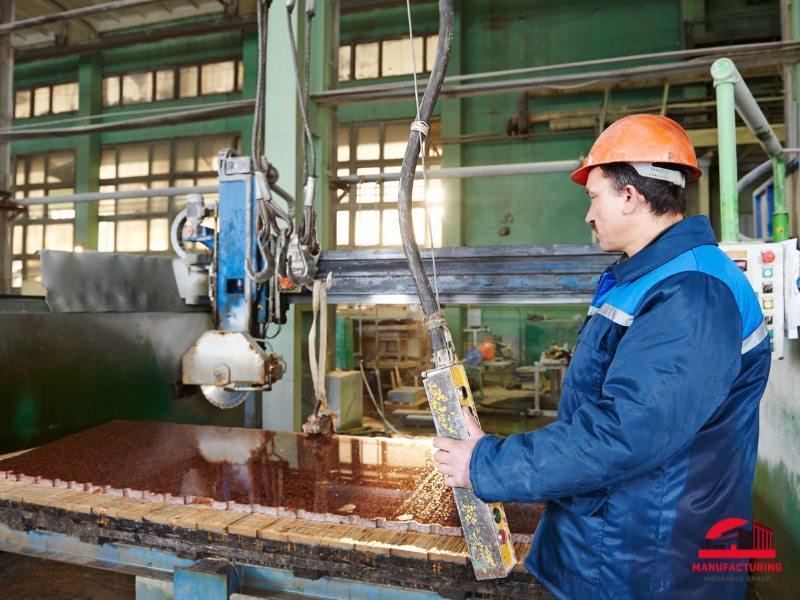
Stone cutting operations, clay product manufacturing, glass production facilities, and concrete product plants with heavy material handling risks, equipment breakdown exposure, silica dust hazards, and kiln operation dangers.
Paper Manufacturing
Paper mills, pulp production facilities, paper product manufacturing, and converting operations with fire hazards, heavy machinery risks, chemical exposure, environmental liability, and large-scale equipment breakdown concerns.
Petroleum and Coal Manufacturing
Fuel processing facilities, petroleum product manufacturing, lubricant production, and coal derivative operations with environmental liability exposure, explosion risks, contamination concerns, and strict EPA regulatory compliance requirements.
Plastics and Rubber Manufacturing
Plastic product manufacturing, rubber goods production, polymer processing facilities, and injection molding operations with chemical risks, heat exposure, product liability for component failures, and equipment breakdown coverage needs.
Primary Metal Manufacturing
Steel mills, aluminum smelting operations, metal production facilities, and foundries with extreme heat hazards, molten metal exposure, heavy material handling risks, and environmental liability from emissions.
Printing and Related Support Activities
Commercial printing operations, pre-press services, print finishing facilities, and large format printing with machinery risks, chemical exposure from inks and solvents, and intellectual property liability concerns.
Textile Mills
Fabric production facilities, yarn spinning operations, textile finishing plants, and dyeing operations with fire hazards, machinery risks, chemical exposure from dyeing processes, and environmental liability concerns.
Textile Product Mills
Textile-based product manufacturing excluding apparel, including industrial textiles, home textile products, and technical fabrics with production machinery risks, material handling exposure, and product liability coverage needs.
Transportation Equipment Manufacturing
Automotive parts production, aerospace component manufacturing, vehicle assembly operations, and parts suppliers with complex product liability, strict quality standards, supply chain dependencies, and recall exposure.
Wood Manufacturing
Lumber mills, wood product facilities, engineered wood manufacturing, and millwork operations with fire hazards from combustible materials, sawmill machinery risks, logging equipment exposure, and product liability for structural wood failures.
Automotive Manufacturing
Oregon’s automotive manufacturing sector is increasingly focused on sustainable and electric vehicle components, driven by the state’s aggressive clean energy agenda. Coverage addresses EV battery production risks, strict environmental liability exposures, and the supply chain vulnerabilities affecting manufacturers operating near the state’s major Pacific Coast ports.
Aerospace Manufacturing
Oregon aerospace manufacturers supply precision components and advanced materials to commercial aviation and defense programs. Coverage addresses product liability for high-tolerance aerospace parts, environmental compliance risks in a state with stringent manufacturing regulations, and the supply chain vulnerabilities affecting manufacturers dependent on Pacific port logistics for materials sourcing and product distribution.
High-Tech Manufacturing
Oregon is a major center for semiconductor manufacturing, with a significant concentration of chip production facilities in the Portland metropolitan area. Coverage addresses the specialized risks of semiconductor fabrication — including contamination liability, ultra-precision equipment breakdown, and supply chain disruptions — alongside the intellectual property risks that come with operating in one of the world’s most competitive chip manufacturing environments.
Get Your Oregon Manufacturing Insurance Quote Today
Securing comprehensive manufacturing insurance protection begins with accurate risk assessment. Sounds complicated. It’s not—not when you work with specialists.
Manufacturing Insurance Group’s specialized approach streamlines this process. We leverage manufacturing expertise. We quickly understand your facility. We recommend appropriate coverage. No lengthy education required. No explaining basics. We get it immediately.
Our process works simply:
Step 1: Initial Consultation
We understand your manufacturing operations thoroughly. Production processes matter. Facility size matters. Employee count matters. Distribution channels matter. We ask targeted questions about your specific industry sector. You provide straightforward answers. We grasp your situation quickly.
Step 2: Risk Assessment
We evaluate workplace safety programs systematically. Equipment maintenance procedures get reviewed. Quality control systems are examined. Loss prevention measures are analyzed. Strong risk management often qualifies you for premium discounts. We identify those opportunities.
Step 3: Coverage Customization
We structure policies addressing your actual needs precisely. Appropriate liability limits get selected based on your products and industry standards. Business interruption protection matches your income exposure. Deductibles balance premium costs with financial capability. Every coverage decision reflects your specific situation.
Step 4: Oregon Compliance
Workers’ compensation meets state requirements. Check. Liability coverage satisfies contractual obligations with customers or landlords. Check. Your overall program addresses Oregon-specific regulatory considerations. Check. This compliance focus prevents costly gaps. It avoids penalties. It prevents contract breaches.
Step 5: Ongoing Support
Manufacturing operations evolve constantly. Equipment gets added. Facilities expand. New products launch. Additional employees join. We monitor your operation continuously. We adjust coverage maintaining appropriate protection as your business changes. When claims occur, we advocate on your behalf. We help navigate claims processes. We pursue fair settlements.
Annual reviews ensure coverage keeps pace with growth. We examine whether limits remain adequate. We assess whether new exposures require additional coverage. We explore opportunities for premium reduction through improved loss experience or market changes. This proactive approach prevents coverage erosion. Your operation grows. Your protection grows with it.
Manufacturing Insurance Group brings three things together: manufacturing expertise, Oregon market knowledge, and comprehensive coverage options.
This creates insurance solutions that truly protect Oregon production facilities. Not paper protection. Real protection.
Whether you operate in Portland’s industrial areas, Hillsboro’s Silicon Forest, or manufacturing communities throughout the state, we deliver specialized protection. Manufacturers need it. We provide it.
Contact us today for your free Oregon manufacturing insurance quote.
Our manufacturing specialists understand your industry challenges. They’ve lived them. They deliver coverage solutions that actually work—not just on paper, but when disaster strikes and you need protection most.
Call us now at (234) 231-9943. Complete our online quote form. Start protecting your Oregon production facility with insurance designed specifically for manufacturers.
The choice is yours. Make it count.
Getting a Quote for Oregon Manufacturing Insurance
Ready to protect your operations? Get expert guidance and a custom quote today.
Frequently Asked Questions About Oregon Manufacturing Insurance
What types of manufacturing insurance do Oregon businesses need?
Oregon manufacturers need several coverage types working together. Start with workers’ compensation insurance—legally mandated for most employers. Add general liability insurance protecting against third-party injury claims. Include product liability coverage addressing defects causing customer harm. Protect facilities and equipment with commercial property insurance. Replace lost income during shutdowns using business interruption insurance. Additional coverages address specific operational risks. Equipment breakdown insurance covers machinery failures that halt production. Supply chain insurance protects against supplier disruptions. Employment practices liability insurance handles workplace violation claims. Cyber liability insurance addresses data breaches and system failures. The exact combination depends on your operation. Your industry sector matters significantly. Your products matter. Facility size matters. Distribution channels matter. Employee count matters. No two manufacturers need identical coverage. That’s why customization matters so much.
How much does manufacturing insurance cost in Oregon?
Costs vary. Significantly. Your industry sector affects pricing substantially. Revenue levels affect pricing. Employee count affects pricing. Claims history affects pricing dramatically. Coverage limits selected affect pricing. Many variables interact to determine your actual cost. Oregon offers competitive advantages though. Workers’ compensation rates rank 10th lowest nationally—approximately 27% below the national average. This helps considerably. General liability premiums for manufacturers run higher than service businesses. Increased risk exposure drives this. That’s reality. Most small to mid-sized Oregon manufacturers invest between $5,000-$25,000 annually for comprehensive coverage packages. Specialized operations may require larger budgets. High-risk sectors definitely require larger budgets. But you get what you pay for: protection that actually works when you need it. Manufacturing Insurance Group provides customized quotes reflecting your specific operation. Not generic estimates. Actual pricing based on your actual risks.
Why choose a manufacturing insurance specialist over a general agent?
Specialists understand production risks intuitively. Generalists don’t. Simple as that. We recognize sector-specific hazards instantly. Process food? We know contamination protocols matter critically. Fabricate metal? We understand welding risks and product liability for structural components. Assemble electronics? We grasp clean room requirements and electrostatic discharge exposures. Manufacture wood products? We anticipate fire hazards and machinery risks immediately. Our 20+ years of manufacturing industry experience means we speak your language fluently. We understand your processes. We identify coverage gaps generic business insurance misses consistently. This expertise produces better outcomes: better protection, competitive pricing, accurate risk presentation to underwriters. Generic agents learn on your dime. They ask basic questions. They research your industry while billing time. Specialists bring knowledge immediately. You choose.
What Oregon manufacturing sectors does Manufacturing Insurance Group serve?
We serve 20+ manufacturing sectors comprehensively. Every major category gets covered. Apparel manufacturing. Beverage production. Chemical manufacturing. Computer and electronics manufacturing. Electrical equipment manufacturing. Fabricated metal products. Food manufacturing. Furniture production. Machinery manufacturing. Paper manufacturing. Plastics and rubber manufacturing. Primary metal manufacturing. Printing operations. Textile mills. Transportation equipment manufacturing. Wood product manufacturing. Plus more specialized sectors including leather products, mineral products, petroleum and coal products, and textile product mills. This breadth ensures something crucial: we understand your specific industry’s risk profile completely. We know your coverage requirements. Not guesses. Not generalizations. Actual knowledge based on serving manufacturers like you repeatedly. Your sector presents unique challenges. We’ve addressed them before. Multiple times. That experience protects you.
What makes Oregon’s manufacturing sector unique for insurance purposes?
Oregon’s manufacturing diversity creates unique insurance considerations. The state hosts everything from high-tech semiconductor facilities to traditional wood product operations. Each sector carries distinct risks. The Silicon Forest concentrates electronics manufacturing. 33,800 semiconductor jobs create high-value inventory exposures. Precision equipment requires specialized coverage. Clean room contamination risks demand attention. Wood products manufacturing comprises 12% of state manufacturing employment—four times the national average. Fire hazards concentrate where combustible materials gather. Heavy machinery creates unique accident exposures. Food and beverage manufacturing continues expanding. Craft breweries proliferate. Wineries produce internationally recognized products. Contamination risks and product recall exposures require specialized coverage approaches. This diversity means no one-size-fits-all solution works. Your policy must address your specific sector’s risks.